
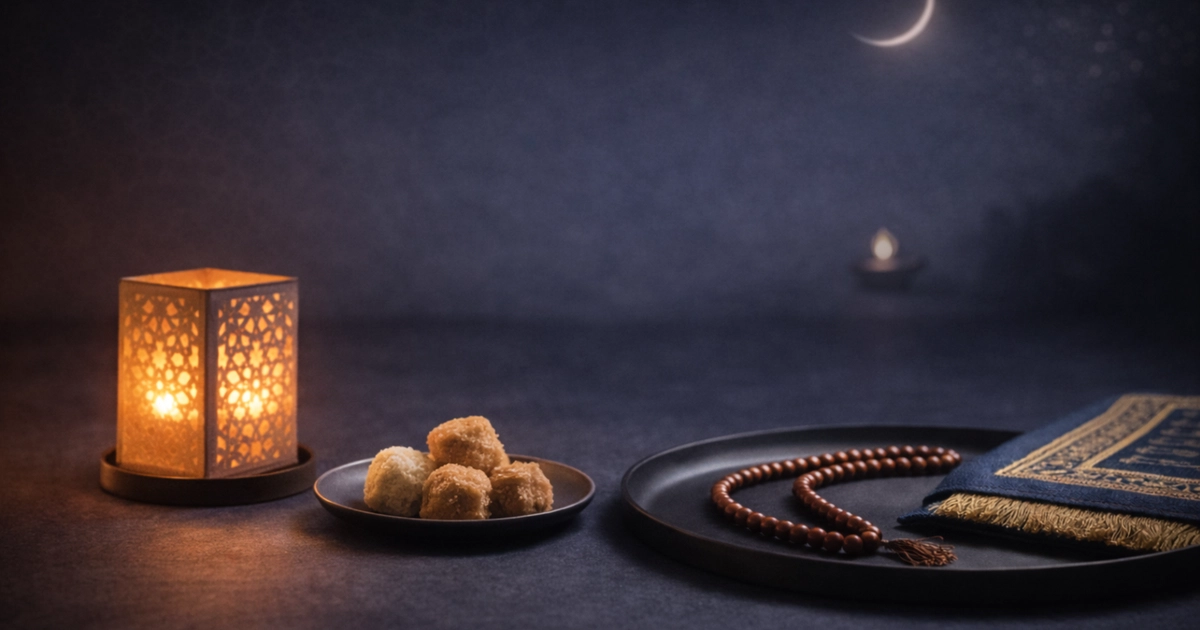
shab e barat in india: customs, religion, and safe practice
In India, this night often feels “visible.”
Lights in lanes. Families cooking. Graveyards busy. Some kids playing with fireworks. Some masajid packed for night prayer.
And then the confusion starts: what is Islam, what is culture, and what is just habit that grew over time?
If you’re trying to be sincere, India can feel like a test on this night.
This guide on shab e barat in India keeps it beginner-safe: common customs, what’s clearly good, what’s debated, what to avoid, and how to handle family expectations without becoming rude or dramatic.
✅ TL;DR – shab e barat in india
Shab e Barat in India is observed with a mix of worship (du‘a, istighfar, Qur’an, extra prayer) and strong local customs (lighting homes, sweets, graveyard visits, sometimes candles and fireworks). Some practices are harmless culture, some are debated, and some become wrong when they cause harm, waste, or turn graves into “ritual spaces.” The safest approach: keep worship simple, avoid harm, and don’t label cultural habits as guaranteed Sunnah.
what do people do on shab e barat in india?
What do people do on Shab e Barat in India? Many Muslims spend the night in du‘a and prayer, some attend mosque gatherings, many families cook and share sweets, and many visit graveyards to make du‘a for the deceased. In some places, homes are lit up and streets feel festive. In a few areas, fireworks show up too.
So the night can feel like worship… and like a cultural festival… depending on where you live.
9 common customs in india (what they mean, what to watch for)
This section is the “map.” It helps you talk to family with respect while keeping your worship clean.
custom 1: night prayer at masjid (qiyam, reminders, recitation)
This is a good direction when it stays calm and sincere. Extra prayer, Qur’an, and du‘a are always good. The only thing to avoid is turning the night into a competition: “who stayed longer, who cried more.”
Micro-scenario: you can only stay 30 minutes. Don’t feel small. Do it with focus and go home.
custom 2: du‘a and istighfar at home
Many families keep it private: prayer, Qur’an, istighfar. This is the safest “no argument” path because nobody can fight you for doing worship that is always good.
I used to think I needed a perfect schedule. I don’t. Most people don’t. Even 15 sincere minutes can change your heart.
custom 3: sweets and food sharing (halwa, kheer, etc.)
Like Pakistan, India also has a strong sweets tradition. It can be a beautiful act of generosity and neighborliness. The key: treat it as culture + kindness, not as “religious proof.”
Micro-scenario: your relative says, “If you don’t make halwa, it’s not Shab e Barat.” You can reply: “We’ll share food for kindness, inshaAllah, and we’ll worship too.”
custom 4: graveyard visit on shab e barat in india
Many Indian Muslims visit graves on this night. Visiting graves can remind a person of akhirah and encourage du‘a for the deceased. But treating this specific night as “the required graveyard night” is where debate starts.
Beginner-safe approach: if you go, go respectfully, make du‘a, don’t treat the place like a festival, and avoid actions you can’t explain as clear worship.
custom 5: women visiting graves (local differences)
In India, practices vary widely by region and family. Some families encourage women to visit; others discourage it. This topic can become emotional quickly, so keep it calm: follow what you genuinely believe is safest, and avoid turning it into a family war on a night meant for mercy.
One sentence that saves you: “Let’s keep it respectful and avoid fighting.”
custom 6: candles on graves (and why people compare it to other festivals)
Candles and lighting near graves is reported in some communities. This is also where comparisons to other Indian festivals can pop up in people’s minds. Even if someone’s intention is “respect,” the danger is turning graves into places of ritual symbols.
Micro-scenario: someone says, “Light makes the dead happy.” A gentle reply: “The best gift is du‘a.”
custom 7: lighting homes and streets
Some families light homes as a sign the night is special. If it stays as harmless decoration and doesn’t become “religion,” it may remain cultural. But once people start believing “these lights bring forgiveness” or “this is required,” it shifts into problem territory.
Simple rule: decoration is not worship. Don’t mix them.
custom 8: fatiha for deceased (what people usually mean)
In South Asian speech, “fatiha” often means reciting and making du‘a for the deceased (sometimes with a small food gathering). A beginner-safe way is: keep du‘a sincere, avoid bragging, and don’t treat a fixed script as “mandatory religion.”
custom 9: fireworks on shab e barat in india
This is the one I rarely see done “well.” Fireworks often waste money, disturb neighbors, and can be dangerous. Worship nights should not become noise nights.
Micro-scenario: you live near a hospital or elderly neighbors. Fireworks are not “fun” anymore. They’re harm.
what’s clearly good vs what’s debated vs what to avoid
This is where your head stops spinning.
Clearly good: repentance, du‘a, Qur’an, extra prayer, charity, reconciliation, asking forgiveness from people, making du‘a for the deceased.
Debated: claiming the night has specific guaranteed virtues beyond what you can prove; treating graveyard visits as “required”; making certain gatherings feel like religious obligations.
To avoid: harm, waste, disturbing others, showing off worship, and turning graves into ritual spaces with symbolic actions people treat like worship.
One-sentence truth.
Anything that harms others can’t be your worship plan.
how to explain cultural vs religious (without insulting anyone)
This is the delicate part in India. Respect matters. Elders matter. Community feelings matter.
Try these gentle lines:
- “Worship is always good. I just don’t want to claim something is Sunnah if I’m not sure.”
- “Let’s keep the night peaceful and sincere.”
- “We can share sweets as kindness, but worship stays simple.”
- “Allah knows best. I don’t want to fight about it.”
Notice: you’re not attacking. You’re setting a calm boundary.
a safe worship plan for shab e barat in india (at home or masjid)
If you want a plan that avoids arguments, do this:
- Pray ‘Isha on time.
- Two rak‘ahs of voluntary prayer (slow sujood).
- 10 minutes istighfar with meaning.
- Read Qur’an a little (even one page).
- Du‘a for your parents, your family, and Ramadan ahead.
- One peace step: message someone you’ve avoided.
That’s it.
Consistency beats big promises.
five quirky beginner mistakes (and quick fixes)
Mistake 1: Thinking lights or candles “bring forgiveness.” Quick fix: Only Allah forgives. Lights are decoration.
Mistake 2: Treating sweets as Sunnah. Quick fix: Share food as kindness, not as a religious requirement.
Mistake 3: Going to the graveyard like it’s a social event. Quick fix: Quiet, du‘a, respect, then leave.
Mistake 4: Doing fireworks then calling it “celebration of Islam.” Quick fix: Don’t disturb people. Worship nights should be peaceful.
Mistake 5: Fighting relatives over labels (bid‘ah vs Sunnah) all night. Quick fix: If your speech becomes harsh, you lost the night’s spirit.
a short story of a beginner mistake (and the simple fix)
A college student once told me, “I’m done with Shab e Barat. It feels like Diwali for Muslims.”
He was frustrated and honestly a bit angry.
I asked, “What part of it made you feel that way?”
He said, “The lights, the noise, the fireworks, the candles… it feels like culture pretending to be worship.”
I said, “Then do the worship part properly and ignore the noise part.”
That night he prayed at home, made du‘a, and called his father to apologize for something small. He later admitted, “That felt real.”
ending: a peaceful way to live this night in india
You don’t have to insult your community to stay sincere.
Keep worship clean.
Keep culture in its place.
And if you choose peace over noise, you’re already closer to the spirit of repentance.
📊 shab e barat in india: culture vs religion (beginner safe)
This table helps you explain the night without arguing: some actions are worship, some are culture, and some can become harmful or confusing.
🇮🇳 Show India Customs Table
| Practice | How to view it | Beginner-safe choice |
|---|---|---|
| Prayer, du‘a, Qur’an | Clearly worship | Do it simply at home or masjid |
| Sweets/halwa | Mostly cultural | Share as kindness, don’t call it Sunnah |
| Graveyard visit | Allowed generally; debated as “night-specific” | If you go, keep it quiet and du‘a-focused |
| Candles at graves | Can cause confusion | Prefer du‘a; avoid symbolic ritual habits |
| Fireworks | Often wasteful/harmful | Avoid due to noise, danger, and disturbance |
FAQs
📘 shab e barat in india FAQs
what do people do on shab e barat in india?
Show Answer
Many do extra worship and du‘a, share sweets, visit graveyards to make du‘a for the deceased, and in some places people light homes or use fireworks.
are candles on graves allowed on shab e barat?
Show Answer
Candles can turn graves into symbolic ritual spaces and can create wrong beliefs. A safer choice is to avoid candles and focus on du‘a for the deceased.
is fireworks allowed on shab e barat india?
Show Answer
Fireworks often cause harm, noise, and waste. Disturbing neighbors and risking safety is not a good worship choice.
is halwa on shab e barat sunnah?
Show Answer
No. Halwa and sweets are cultural in South Asia. Share as kindness, but don’t treat it as required religious practice.
is shab e barat a cultural festival in india?
Show Answer
In some places it can feel festival-like because of lights and fireworks. The safest approach is to keep the night worship-centered and keep cultural decoration separate from religion.
do Muslims fast after shab e barat?
Show Answer
Many Muslims fast in Sha‘ban for general virtue. Whether people connect it to this night varies. If you fast, keep it as voluntary worship, not as a mandatory rule.
what is safe worship on shab e barat india?
Show Answer
Safe worship is simple: repentance, du‘a, Qur’an, extra prayer, charity, and fixing relationships—without inventing ritual scripts or making guaranteed claims.
how to explain cultural vs religious on shab e barat?
Show Answer
Say gently: “Worship is always good, but I don’t want to call a cultural habit Sunnah if I’m not sure.” Keep your tone respectful and avoid fights.
what are shab e barat practices that are disputed?
Show Answer
Disputed areas include treating the night as mandatory-special with fixed claims, making graveyard visits “required,” and using candles/ritual symbols at graves.
what’s the safest one-line summary for beginners?
Show Answer
Keep worship simple, enjoy harmless kindness, avoid harm and ritual-like habits, and don’t fight your family.


