
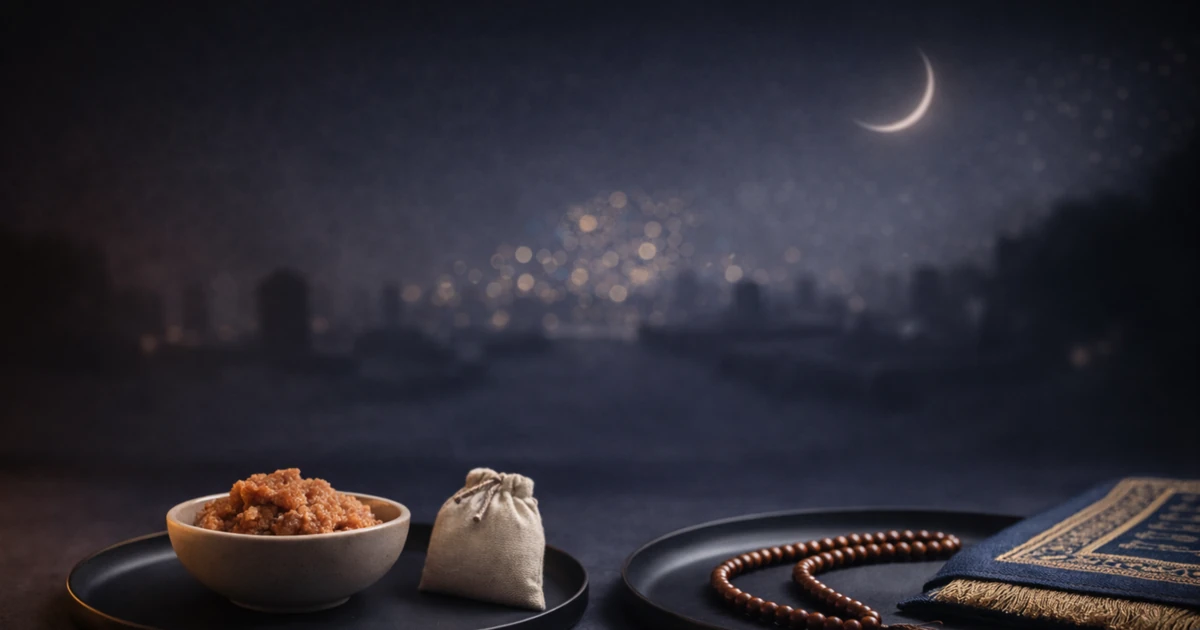
shab e barat in pakistan: customs, faith, and safe practice
If you grew up in Pakistan (or around Pakistani families), you already know this night has a “vibe.”
Some homes feel quiet and worship-focused. Others feel like a festival. Some feel like both at the same time.
And then comes the real struggle: you want to respect your family… but you also don’t want to turn culture into religion.
This guide is for that exact situation.
We’ll look at shab e barat in Pakistan: what people commonly do, what’s clearly good, what’s debated, and what a calm, beginner-safe plan looks like—especially when relatives pressure you.
✅ TL;DR – shab e barat in pakistan
Shab e Barat in Pakistan is often marked with worship (du‘a, istighfar, Qur’an, extra prayer) plus cultural customs like halwa, graveyard visits, and sometimes fireworks. Many customs are harmless culture, some are debated, and some can become wrong when they cause harm or are treated like mandatory religion. The safest path: keep worship sincere and simple, avoid harm and waste, and don’t claim a cultural habit is Sunnah.
what do people do on shab e barat in pakistan?
What do people do on Shab e Barat in Pakistan? You’ll see a mix: home worship, mosque gatherings, charity, and also strong cultural traditions. Some families visit graves. Some cook and share sweets. Some hold naat mehfils. And in some areas, kids light fireworks like it’s a mini Eid night.
One-sentence truth.
Pakistan doesn’t “do” this night in one way.
9 common customs in pakistan (what they mean, and how to handle them)
Below are the most common things people mention. I’m not here to mock anyone. I’m here to help you separate faith from family habit so your worship stays clean.
custom 1: extra worship at home (qiyam, du‘a, istighfar)
This is the healthiest part. Extra prayer, du‘a, Qur’an, and istighfar are good any night. Even if you’re unsure about special “night virtue” debates, these acts are still safe and beneficial.
Micro-scenario: you can’t stay up late. Pray two rak‘ahs after ‘Isha, make du‘a for your parents, and sleep. That counts.
custom 2: mosque gatherings and talks
Many masajid in Pakistan have bayan, recitation, or a reminder on this night. This can be good if it stays calm and doesn’t turn into “only our way is Islam.” Take the reminder, keep your heart soft, and avoid drama.
custom 3: halwa on shab e barat (pakistan)
Halwa is one of the most famous customs. Families cook it, share it, and it becomes a sweet “together” moment. The key point: halwa is culture, not Sunnah. It can be a good deed if it’s done as generosity, not as “this must be done tonight.”
Micro-scenario: your aunt insists it’s wajib. You can smile and say, “We’ll share sweets for the sake of kindness, inshaAllah.” Then you don’t argue.
custom 4: charity distribution
Giving charity is always good. Some families prepare food packs or small donations. This is beautiful when it’s sincere and not done with show.
One small warning: don’t burden yourself with debt for “night pressure.” Charity should not break your household.
custom 5: graveyard visit on shab e barat pakistan
Many Pakistani families visit graves on this night. Visiting graves can be a reminder of death and akhirah, and du‘a for the deceased is always allowed. But treating this specific night as “the required graveyard night” is where debate starts.
Beginner-safe approach: if your family goes, you can go respectfully, make du‘a, keep it simple, and avoid anything that crosses lines (like showing off or doing actions you feel are wrong).
custom 6: candles or incense at graves
This is where things can slip. Candles, incense, and decorating graves can turn into symbolic actions people treat like worship. Even when intentions feel “respectful,” it’s easy for it to slide into practices that don’t have a clear basis and can invite wrong beliefs.
Micro-scenario: your cousin is lighting candles and says, “This helps the soul.” A calm reply: “Let’s make du‘a. That’s the best gift.”
custom 7: fatiha on shab e barat (what families mean)
In Pakistani speech, “fatiha” often means: recite something and send reward (isal-e-thawab) for the deceased. Families may do it at home, sometimes with food, sometimes with a gathering.
Beginner-safe tip: don’t turn it into a scripted “must-do package.” If you want to make du‘a for your deceased, do it simply. Keep it private, sincere, and free of pride.
custom 8: naat mehfil shab e barat
Some communities hold naat gatherings. Praising the Prophet ﷺ in a respectful way can be fine, but a night should not become a stage show where worship becomes performance and people compete in emotion.
So if you attend, keep your intention clean: learn, be grateful, don’t judge others, and don’t treat the gathering like it replaces prayer.
custom 9: shab e barat fireworks pakistan
This is the most controversial “custom,” and honestly, the easiest one to call out without being rude. Fireworks often involve waste, disturbance, and sometimes danger. They can scare kids, upset neighbors, and damage property. Even if someone says, “It’s just fun,” fun doesn’t justify harm.
Micro-scenario: your neighbor has a sick baby, and fireworks are going off. That’s not celebration. That’s selfishness.
what’s clearly good vs what’s debated vs what to avoid
This section is your quick compass. It helps you stop feeling lost.
Clearly good: repentance, du‘a, Qur’an, extra prayer, charity, making peace, asking forgiveness from people.
Debated: treating this night as “special” with fixed claims; making certain customs feel mandatory; graveyard visits as a night-specific requirement.
To avoid: harm, waste, disturbing others, showing off worship, and actions at graves that look like rituals people think “do something” by themselves.
how to handle family pressure (without becoming rude)
Family pressure is real. Especially in Pakistan, refusing a tradition can feel like rejecting your elders.
Here are calm sentences that work:
- “I’ll do worship tonight, inshaAllah. Please make du‘a for me too.”
- “Let’s keep it simple and sincere.”
- “I don’t want to argue—Allah knows best.”
- “I’m happy to join for respect, but I’ll keep my worship private.”
That language shows respect without surrendering your mind.
a safe worship plan for shab e barat at home (pakistan edition)
Here’s a plan that won’t cause family drama and won’t push you into invented rituals.
- Pray your ‘Isha on time and with focus.
- Two rak‘ahs of voluntary prayer (short, calm).
- 10 minutes of istighfar where you actually mean it.
- Du‘a list: parents, family, health, debts, guidance, Ramadan strength.
- One peace step: message someone you’ve ignored or forgive someone quietly.
Done.
Yes, that’s enough.
five quirky beginner mistakes (and quick fixes)
Mistake 1: Thinking halwa is Sunnah. Quick fix: Treat it as culture + generosity, not a religious badge.
Mistake 2: Going to the graveyard and turning it into social time. Quick fix: Keep it quiet, respectful, du‘a-focused.
Mistake 3: Feeling “holy” and judging others. Quick fix: If your heart becomes proud, you lost the night.
Mistake 4: Sharing scary messages that cause panic. Quick fix: Share gentle reminders about repentance instead.
Mistake 5: Doing a worship marathon and missing Fajr. Quick fix: Protect your fard prayers first.
a short story of a beginner mistake (and the simple fix)
One year, a teenager told me, “I did Shab e Barat perfectly.”
He meant: fireworks, hanging out, posting stories, and eating halwa at 2 a.m.
Then he added, “But my mom is angry because I didn’t pray.”
I said, “So you did the Pakistan part, but you missed the Islam part.”
He laughed, because it hit him.
That night he prayed two rak‘ahs quietly and asked his mom to forgive him.
He later said, “That apology felt harder than all the fireworks.”
ending: the best way to honor the night in pakistan
You don’t need to fight your culture. You just need to stop worship from becoming culture-only.
Keep the sweetness of family.
Keep the seriousness of repentance.
And if you skip the fireworks and keep your prayers, trust me—you didn’t miss the night. You saved it.
📊 shab e barat in pakistan: culture vs safe worship
This table helps you speak gently: some things are culture, some are debated, and some are better avoided because they cause harm or confusion.
🇵🇰 Show Pakistan Customs Table
| Custom | How to view it | Beginner-safe approach |
|---|---|---|
| Halwa / sweets | Mostly cultural | Share as generosity, don’t call it Sunnah or mandatory |
| Extra worship | Clearly good | Keep it simple: prayer, du‘a, Qur’an, istighfar |
| Graveyard visit | Debated as “night-specific” | If you go, keep it respectful and du‘a-focused; avoid ritual-like actions |
| Candles/incense at graves | Risky for confusion | Prefer du‘a and Qur’an reading; avoid symbolic “ritual” habits |
| Fireworks | Often harmful/wasteful | Avoid due to disturbance, danger, and waste |
FAQs
📘 shab e barat in pakistan FAQs
what do people do on shab e barat in pakistan?
Show Answer
Many do extra worship, du‘a and istighfar, some attend mosque reminders, many share sweets like halwa, many visit graves, and in some places people also light fireworks.
is fireworks allowed on shab e barat in pakistan?
Show Answer
Fireworks often involve waste, disturbance, and danger. Even if someone calls it “tradition,” causing harm and annoying neighbors is not a good deed.
is halwa on shab e barat sunnah?
Show Answer
Halwa is a cultural custom in Pakistan. It can be a good act of generosity, but it should not be treated like Sunnah or something required for the night.
do we have to visit graves on shab e barat?
Show Answer
No. Du‘a for the deceased is always allowed, and visiting graves can be a reminder, but treating this night as a required graveyard night is debated. Keep it respectful and simple.
what is fatiha on shab e barat in pakistan?
Show Answer
In Pakistani speech, “fatiha” often means reciting and making du‘a for the deceased. Keep it sincere and avoid treating it like a fixed mandatory script.
what should I avoid on shab e barat pakistan?
Show Answer
Avoid harm and disturbance (like fireworks), avoid waste, avoid showing off worship, and avoid turning cultural habits into “confirmed” religion.
how to handle family pressure on shab e barat?
Show Answer
Use respectful language: “I’ll worship tonight inshaAllah,” “Let’s keep it simple,” and “I don’t want to argue.” Join family respectfully without claiming every habit is Sunnah.
is there a special prayer on shab e barat?
Show Answer
Be careful with forwarded “exact prayer packages.” A safe approach is voluntary prayer like any other night, without claiming a specific script is guaranteed Sunnah.
can I do shab e barat worship at home?
Show Answer
Yes. Simple worship at home—two rak‘ahs, du‘a, Qur’an, istighfar, and fixing relationships—is a strong and calm plan.
what’s the safest one-line summary for pakistan traditions vs islam?
Show Answer
Keep worship simple and sincere, enjoy harmless culture kindly, and avoid harm or claiming traditions are Sunnah.


