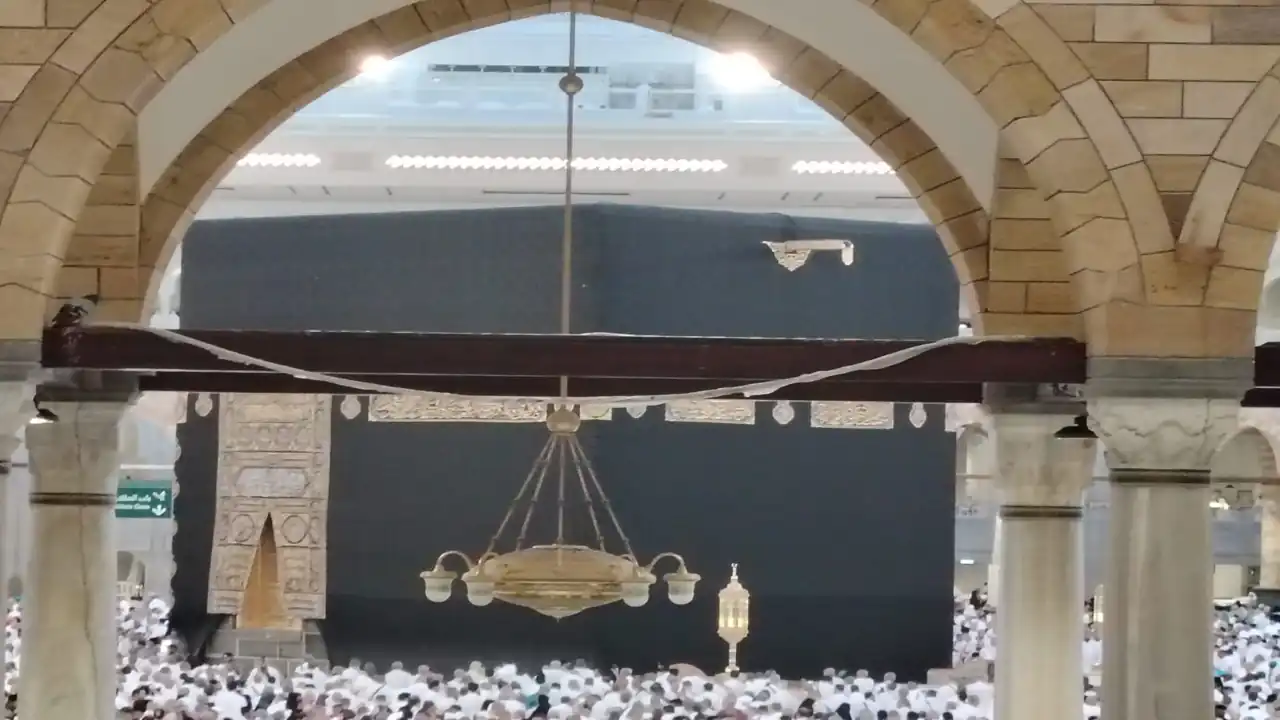
Muzdalifah in Hajj: Quranic Significance, Rituals & Step-by-Step Guide (2026 Update)
🟧 TL;DR – Muzdalifah in Hajj
Muzdalifah in Hajj is the sacred open valley located between Arafat and Mina. On the 9th of Dhul Hijjah, after sunset, pilgrims gather here to spend the night under the sky, combine Maghrib and Isha prayers, and collect pebbles for the stoning ritual (Ramy al-Jamarat). It’s referred to in the Quran as “Al-Mash’ar Al-Haram” (Surah Al-Baqarah 2:198), highlighting its sacredness.
Staying in Muzdalifah, even briefly, is considered wajib (obligatory) by most scholars. This guide offers step-by-step rituals, authentic Hadith, scholarly rulings, practical tips, and real pilgrim insights based on the 2026 Hajj guidelines.
You’ve probably heard stories about Muzdalifah sleeping under the stars, packed crowds, and the quiet hum of dhikr in the air.
But unless you’ve experienced it, it’s hard to grasp the calm and chaos that meet here. For one first-time pilgrim from Indonesia, it wasn’t the sleeping on gravel that struck him, it was the stillness. “This was the first time in my life I felt fully present,” he said.
Honestly? That’s the kind of moment Muzdalifah is made for.
🕌 What is Muzdalifah in Hajj? (Meaning, Location, and Quranic Reference)
Let’s break it down.
🟩 Quranic Mention of Muzdalifah
Muzdalifah isn’t just a stopover. It’s literally mentioned in the Quran.
“Then when you leave Arafat, remember Allah at Al-Mash’ar Al-Haram…”
(Surah Al-Baqarah 2:198)
This verse anchors the obligation of remembrance (dhikr) at Muzdalifah.
Scholars like Ibn Kathir, Al-Qurtubi, and Imam Al-Tabari affirm that “Al-Mash’ar Al-Haram” directly refers to Muzdalifah, the spiritual checkpoint between Mount Arafat and Mina.
Why is that significant?
Because while Arafat is the mountain of du’a, Muzdalifah becomes the station of reflection.
You leave behind the tears and begging at Arafat and enter into calm, gratitude, and preparation.
🟩 Where is Muzdalifah Located?
Muzdalifah lies roughly 8 kilometres southeast of Makkah, sandwiched between Arafat and Mina, the two core stations of Hajj.
It’s a vast plain, measuring approximately 9.6 square kilometres in total area.
Key landmarks around Muzdalifah:
- North: Mount Thabir al-Nas’ah (also called Mount Muzdalifah)
- East: Ma’zamayn hills
- West: Wadi Muhassir, which separates it from Mina
- Centre: Masjid Al-Mash’ar Al-Haram, the mosque where the Prophet ﷺ stayed
Most pilgrims arrive at Muzdalifah shortly after sunset on the 9th of Dhul Hijjah, travelling via buses, on foot, or, in recent years, even electric shuttles.
🟩 The Names of Muzdalifah & Their Meanings
Like many sacred Islamic sites, Muzdalifah goes by multiple names, each packed with meaning.
- Al-Mash’ar Al-Haram (المشعر الحرام)
- Literally means: “The Sacred Landmark”
- Mentioned directly in the Quran
- Site of the Prophet’s ﷺ standing (wuquf) and remembrance
- Al-Jam’ (الجمع)
- Meaning: “The Gathering”
- Refers to the combined prayers (Maghrib + Isha) and the unity of all Muslims staying together
- Muzdalifah (مزدلفة)
- From the root “izdalafa”, meaning “to draw near”
- Pilgrims are drawing nearer to Allah, and to the climax of Hajj
These names aren’t random; they reflect spiritual transitions. You’re done with pleading at Arafat.
Now you get ready to face Shaytan in Mina.
Muzdalifah is that in-between space. Think of it as a spiritual bridge.
🕌 Rituals of Muzdalifah During Hajj (Step-by-Step with Sunnah Backing)
Here’s where things get practical.
Every pilgrim, from the young first-timer to the elderly scholar, follows the same steps in Muzdalifah.
But not everyone knows why they’re doing what they’re doing.
Let’s walk through each part.
🟩 Step 1 – Arrival After Sunset on 9th Dhul Hijjah
Let’s be honest, arriving at Muzdalifah isn’t always smooth.
The roads are crowded, some pilgrims are exhausted, and finding a spot to sit can take an hour.
But here’s the key: the Prophet Muhammad ﷺ didn’t stop at Arafat for Maghrib.
Instead, he delayed Maghrib and Isha until he reached Muzdalifah, as narrated in Sahih Muslim and Sahih Bukhari.
“The Prophet ﷺ came to Muzdalifah, then he prayed Maghrib and Isha, with one adhan and two iqamahs.”
(Sahih Muslim, Hadith 1288)
Modern-day Hajj groups follow this same sunnah.
You might arrive before or after Isha, but the prayers should be combined at Muzdalifah, not earlier at Arafat.
🟩 Step 2 – Combine Maghrib and Isha (Qasr)
This is one of the most unique parts of the Hajj.
You combine Maghrib (3 rak’ahs) and Isha (2 rak’ahs) at the time of Isha using one adhan and two iqamahs.
This is known as jama’ ta’khir.
Don’t miss these common mistakes:
- ❌ Praying Maghrib in Arafat out of habit
- ❌ Praying Maghrib and delaying Isha until later
- ✅ Combine both as soon as you settle at Muzdalifah
It’s a moment of unity.
You’re praying alongside Muslims from 150+ countries, all reciting the same takbir, same verses in unison.
🟩 Step 3 – Wuquf at Muzdalifah
This is big.
Wuquf means “to pause, stand, or stay”, and at Muzdalifah, it’s not just symbolic.
It’s wajib according to all four major madhabs.
“Whoever performs this prayer (Fajr at Muzdalifah) with us and remains here until we move on… has completed his Hajj.”
(Abu Dawud, Hadith 1950)
Here’s the timeline:
- Start: After Subh Sadiq (true dawn)
- End: Before sunrise
- Minimum stay: Even a brief moment after Fajr counts as valid
- Preferred: Stay longer, make du’a, face the Qiblah, and be present
The Prophet ﷺ stood at Mount Quzah facing the Qiblah, raised his hands, and made du’a until daybreak.
This is your moment to connect again.
🟩 Step 4 – Collecting Pebbles for Rami
Let’s not overthink it, but yes, there’s a sunnah way to do this.
You need to collect 49–70 pebbles, depending on whether you’ll stay in Mina for 3 or 4 days.
- Day 1 (10th Dhul Hijjah): 7 pebbles
- Day 2 (11th Dhul Hijjah): 21 pebbles
- Day 3 (12th Dhul Hijjah): 21 pebbles
- Day 4 (13th Dhul Hijjah – optional): 21 pebbles
✅ Best Size: About as big as a chickpea
✅ Best Place to Collect: Muzdalifah, though other places are acceptable
✅ Storage Tips: Use a cloth pouch or an empty water bottle
The Prophet ﷺ told his cousin Al-Fadl to collect 7 pebbles, then held them in his palm and said:
“Throw with pebbles like these, and avoid extremism.”
(Ibn Majah, Hadith 3029)
Let’s face it, some people bring rocks. That’s not what the Sunnah teaches.
🕌 Who Is Exempt from Full Stay? Women, Elderly & Special Cases
Let’s be real. Not everyone can handle the full night at Muzdalifah.
And that’s okay. Islam isn’t about pushing past your limits, it’s about doing your best within your means.
That’s why the Prophet ﷺ himself gave exemptions to certain people.
🟩 H3: Prophet’s Concession ﷺ
During the Farewell Hajj, the Prophet ﷺ allowed some companions to leave Muzdalifah early. This wasn’t a loophole, it was a mercy.
Let’s talk about examples.
- Sawda bint Zam’ah, one of the Prophet’s wives, was elderly and slow-moving. She asked to leave early, and the Prophet ﷺ gave her permission.
- Asma bint Abi Bakr, another companion, also left before dawn after making sure the moon had set.
Their experiences were later narrated and preserved so others could know it’s allowed, not shameful.
So, who can leave early?
✅ Women
✅ Elderly
✅ Physically weak or sick individuals
✅ Children and caretakers
✅ Those who fear getting crushed in crowds
The key is: leave after midnight, not immediately after arrival.
It’s not just acceptable, it’s Sunnah.
🟩 Fatwa from IslamQA and Ibn Uthaymeen
IslamQA is crystal clear on this.
“If a person is unable to remain at Muzdalifah because of sickness, old age, or weakness… and leaves after midnight, his Hajj is valid and there is no penalty.”
Shaykh Ibn Uthaymeen, a major contemporary scholar, also emphasised:
“The minimum stay in Muzdalifah that makes one free of blame is to stay for a moment after midnight.”
That’s it. One moment.
This isn’t a loophole, it’s compassion. And honestly? That’s what Hajj is about.
🕌 Common Questions & Misconceptions (Fatwa + Scholarly Opinions)
You’ve probably heard a lot of confusing advice. Let’s clear the air.
🟩 Is it Bid’ah to Perform Extra Worship at Muzdalifah?
Short answer: No, as long as you’re not inventing something strange.
Yes, you can:
- Make du’a
- Recite Quran
- Do dhikr
Just don’t turn it into a ritualised group activity with innovations.
Shaykh Ibn Baz said:
“There’s nothing wrong with individual worship at Muzdalifah… but avoid attributing special virtues not found in the Sunnah.”
So go ahead. Sit quietly. Make du’a for your family. Whisper your hopes to Allah. That’s not bid’ah, it’s beautiful.
🟩 Can I Collect Pebbles from Arafat or Mina?
Technically? Yes. But it’s not ideal.
Most scholars agree that collecting pebbles from Muzdalifah is best because:
- It follows the Prophet’s ﷺ action
- The area is naturally filled with pebbles
- It saves you from scrambling in Mina
Still, if you’re elderly, or your group moves fast, and you didn’t get to collect them, don’t panic.
Fatwa: “It is permissible to collect stones from anywhere, as long as they are clean and the correct size.”
🟩 What if I Miss Muzdalifah Entirely?
This is a common and stressful situation.
Maybe your bus broke down. Maybe you were stuck in traffic all night.
Or maybe your group moved too fast and didn’t wait.
It happens. So what now?
✅ Hanafi & Hanbali scholars: You must offer damm (sacrificial penalty) if you missed Muzdalifah entirely.
✅ Shafi’i & Maliki: If you were excused or unaware, you’re not at fault.
Best advice? Try to stay even for a moment after midnight. That counts and saves you the penalty.
🕌 Interactive: Map, Visuals & Dua Suggestions
🟩 Dua to Recite at Mash’ar Al-Haram
When you stand at Mash’ar Al-Haram, do what the Prophet ﷺ did:
- Face the Qiblah
- Raise your hands
- Make heartfelt du’a
No need for fancy Arabic. Speak from your heart.
Here’s a short du’a you can say:
“O Allah, accept my Hajj. Forgive my sins. Unite me with those I love in Jannah. Keep my heart steadfast.”
And if you want to use Arabic:
اللهم تقبل حجي واغفر ذنوبي واجعلني من أهل الجنة
This is your moment. Don’t let it slip by in small talk or scrolling on your phone.
🕌 Frequently Asked Questions
❓ What is Muzdalifah in Hajj?
Muzdalifah is a sacred open plain between Arafat and Mina where pilgrims spend the night on the 9th of Dhul Hijjah after sunset.
It’s a required part of Hajj where they combine Maghrib and Isha prayers, rest, and collect pebbles.
❓ Is it mandatory to stay in Muzdalifah?
Yes, staying even briefly after midnight is wajib (obligatory).
However, women, the elderly, and those with valid excuses may leave early without penalty.
❓ How many pebbles to collect in Muzdalifah?
You should collect between 49 and 70 pebbles, depending on how many days you plan to do Ramy al-Jamarat.
It’s sunnah to collect them from Muzdalifah.
❓ Can women leave Muzdalifah early?
Yes. The Prophet ﷺ permitted women, the elderly, and children to leave after midnight to avoid overcrowding in Mina. This is a sunnah concession, not an exception.
❓ Where is Al-Mash’ar Al-Haram mosque located?
It’s located at the centre of Muzdalifah, midway between Arafat and Mina. This is where the Prophet ﷺ made du’a after Fajr during Hajj.
❓ Is it sunnah to sleep in Muzdalifah?
Yes, the Prophet ﷺ slept there until just before Fajr.
While not sleeping isn’t a sin, resting is recommended as part of the night’s observance.
❓ What to say during Wuquf in Muzdalifah?
There’s no fixed du’a, but the Prophet ﷺ made general du’a and remembrance of Allah.
You can recite the Quran, send salawat, or make personal supplications.
❓ What happens if I miss the night in Muzdalifah?
If you miss it completely without a valid excuse, most scholars say a penalty (damm) is due.
But even a moment’s stay after midnight counts.
❓ Why is Muzdalifah important in Islam?
Because it’s mentioned in the Quran (Surah Baqarah 2:198), and was a key part of the Prophet’s ﷺ Hajj. It bridges the intensity of Arafat with the trials of Mina.
❓ When should I leave Muzdalifah for Mina?
The majority of pilgrims leave after Fajr, following the Prophet’s ﷺ sunnah.
Those with valid reasons may depart after midnight.
🕌 Why Muzdalifah Feels Different: Emotional Stillness Between Two Storms
Let’s face it, Arafat is intense. Tears. Du’as. Emotions overflowing.
And Mina? It’s pressure. Rami. Crowds. Noise. Sacrifice.
But Muzdalifah?
It’s that quiet breath in between.
🟩 A Night Under the Sky (Real Pilgrim Reflections)
Ask anyone who’s been and they’ll tell you:
“It was the first time in my life I looked at the stars and didn’t feel alone.”
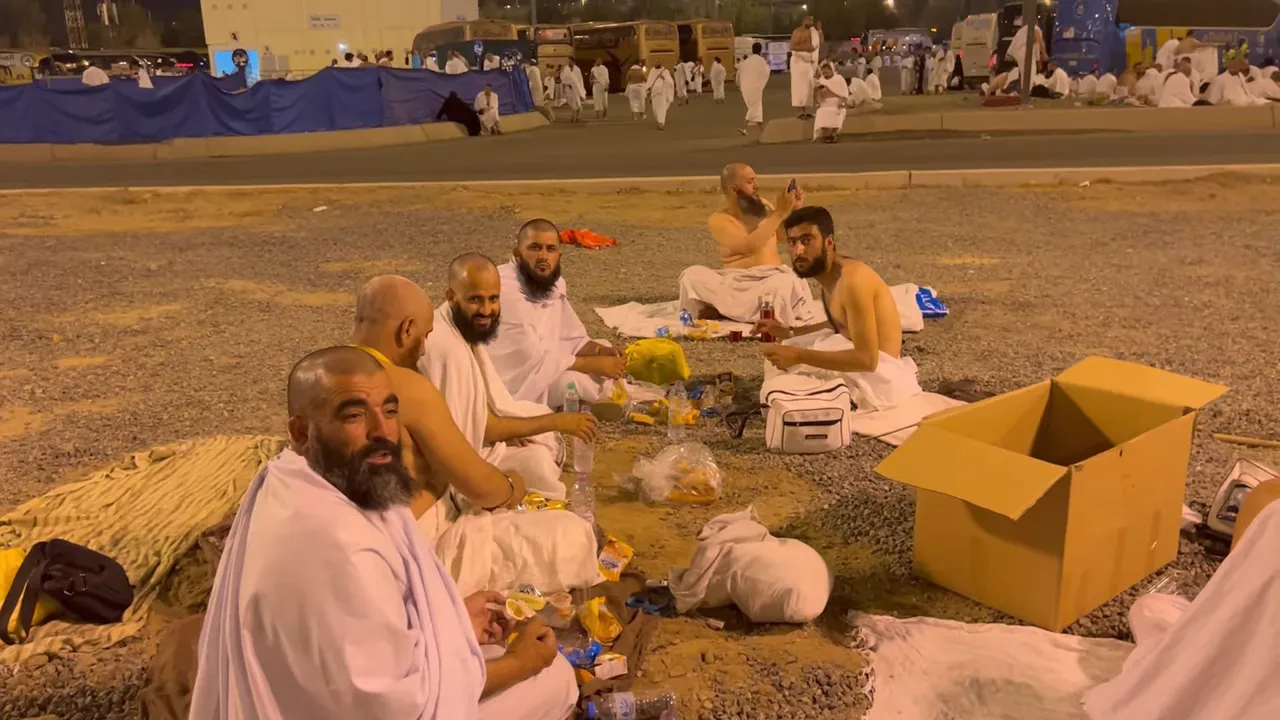
That’s what Muzdalifah does. You lie down on a gravel bed, with a small bag for a pillow. It’s not comfortable. You’ll probably get dust in your eyes.
But you’re surrounded by millions, and yet it feels personal.
Even the silence has weight.
There’s no roof. No private tent. No mattress.
Just you. The night sky. And Allah.
🟩 Spiritual Significance: Transition from Du’a to Action
Arafat is where you cry and ask.
Muzdalifah is where you reflect and prepare.
Mina is where you act.
It’s like this:
- At Arafat: “O Allah, forgive me.”
- At Muzdalifah: “I want to change.”
- At Mina: You throw the stone and say, “I am changing.”
That’s the inner arc of Hajj.
And Muzdalifah, though often overlooked, is where your heart quietly makes that shift.
🟩 What the Prophet ﷺ Did at Muzdalifah
Let’s not forget the best example:
After arriving at Muzdalifah, the Prophet ﷺ:
- Combined Maghrib and Isha
- Slept for most of the night
- Woke up just before Fajr
- Prayed at Al-Mash’ar Al-Haram
- Made a long du’a facing Qiblah
- Left before sunrise
Simple. Intentional. Grounded.
He didn’t give long sermons. He didn’t stand all night. He rested. Then prayed. Then moved on.
Sometimes, that’s exactly what you need.
🕌 Moving from Muzdalifah to Mina: Real 2026 Logistics & Safety Tips
Okay, time to get practical again.
🟩 When Should You Leave Muzdalifah?
You’ve got three main windows to leave:
- ⏰ After Midnight
For women, the elderly, or those with valid reasons. Sunnah-approved. - ⏰ After Fajr
The best time, following the Prophet’s ﷺ practice - ⏰ Before Sunrise
Leave before the sun rises over Mount Thabir (the Sunnah way)
Leaving later than sunrise? Not recommended.
“Our way is not the way of the Jahiliyyah, who waited for the sun to rise over Thabir before leaving.” — Hadith in Tirmidhi
🟩 How Far is Mina from Muzdalifah?
It’s roughly 5 kilometres (3.1 miles), but don’t let that fool you.
In Hajj, distance isn’t just measured in meters, it’s measured in crowds and delays.
✅ If walking:
Expect 1–2 hours minimum (with stops)
✅ If by bus:
Anywhere from 30 minutes to 3 hours (yes, really)
🟩 Tips for the Journey to Mina
Let’s be honest, this part can feel messy.
Here’s how to make it smoother:
- ✅ Use the restroom before leaving Muzdalifah. Trust me, you’ll thank yourself.
- ✅ Pack pebbles securely in your pouch or bottle.
- ✅ Stick to your group — people do get separated.
- ✅ Don’t rush. The Prophet ﷺ told people to walk calmly.
- ✅ Keep reciting Talbiyah as you go. This is still a sacred journey.
And one more thing: Patience is your survival kit here.
The crowds can test you. The delays might frustrate you.
But this-this is part of the test.
🕌 Facilities at Muzdalifah: Toilets, Lights, Safety & What to Expect
A lot of people ask: “Will there be toilets at Muzdalifah?”
Short answer? Yes, but expect long lines.
🟩 Toilets and Wudu Facilities
🚻 Toilet Count: Thousands installed
⏳ Wait Time: 15–30+ mins (especially for women)
💧 Wudu Points: Available, but often crowded
Pro Tip:
If you’re able, use the restroom in Arafat before leaving, and keep water with you for basic cleaning or wudu.
🟩 Safety Measures in Place
✅ Lighting: Muzdalifah is brightly lit with floodlights. You won’t feel “lost” in the dark.
✅ Police & Security: Patrols are active throughout the night.
✅ Medical Aid: Mobile clinics are available in case of emergencies.
✅ Rest Zones: The entire area is flat, open, and organised in sector-based zones by country/group.
That said…
Don’t expect luxury.
There’s no tent. No AC. You’re on the ground literally. And yes, it gets dusty. Maybe even buggy.
But here’s the truth: That discomfort humbles you.
It reminds you what you’re here for.
🟩 What to Bring to Muzdalifah (Checklist)
If you’re going soon or guiding others, here’s a checklist worth saving:
- ✅ Sleeping mat or foldable foam
- ✅ Light blanket or ihram sheet
- ✅ Pebble pouch
- ✅ Flashlight or phone torch
- ✅ Power bank
- ✅ Water bottle
- ✅ Wet wipes
- ✅ Light snacks (like dates or granola)
- ✅ Zip-lock for personal items
- ✅ Dua list (written or on phone)
Don’t overpack, you’ll regret it later. But don’t come empty-handed either. Find the balance.
🕌 Saudi Arabia’s 2026 Upgrades to Muzdalifah & Smart Hajj Systems
This year (2026), Saudi authorities have introduced new features to improve the Muzdalifah experience.
🟩 Smart Trackers for Crowd Flow
Every pilgrim now receives a smart ID bracelet upon entry.
It includes:
- 🧠 Real-time GPS tracking
- 🧾 Hajj permit + group details
- 🚨 Emergency call feature
- 🕋 Prayer time alerts
These help security teams manage crowd movement, prevent stampedes, and identify pilgrims in case they get lost.
🟩 Heat Sensors and Drone Monitoring
Yes, drones are flying over Muzdalifah.
Why?
- 📡 To detect crowd density
- 🧊 Monitor rising heat zones
- 👮♂️ Dispatch cooling mist or first responders faster
Saudi Arabia’s Hajj Safety Command Centre monitors all this live.
Let’s be honest, with millions of people in one valley, this tech isn’t a luxury. It’s a lifesaver.
🟩 Cooling Mist Poles + Extra Shaded Zones
In 2026, officials added:
- 💦 Cooling mist poles at gathering areas
- 🛑 Extra emergency shade tents
- 🚰 More drinking water stations (Zamzam & bottled)
And guess what?
It’s working. Reports show fewer dehydration cases this year, especially among the elderly.
🕌 What Happens After Muzdalifah? (Spiritual Shift & Physical Steps)
So you’ve prayed.
You’ve collected pebbles.
You’ve stayed the night under the stars.
Now what?
It’s time to move to Mina. face one of the most powerful acts of Hajj, the stoning of Shaytan.
But let’s pause for a second.
🟩 Why This Transition Feels So Personal
Leaving Muzdalifah isn’t just a physical move.
It’s spiritual.
You go from peaceful reflection to facing temptation head-on. From lying on the dust to throwing stones with intention.
It’s honestly a lot to take in.
But remember this:
“You’re not just throwing pebbles you’re throwing away arrogance, envy, anger, and ego.”
That’s why Muzdalifah matters so much.
It’s where your du’as from Arafat mature into action.
🟩 Mistakes People Make After Muzdalifah
Let’s be real, in the rush to get to Mina, pilgrims often:
- ❌ Leave without praying Fajr
- ❌ Forget to make du’a at Al-Mash’ar Al-Haram
- ❌ Throw pebbles without proper niyyah
Don’t let the exhaustion win.
If you’ve made it this far, stay grounded. You’re in the final phase of Hajj now.
Arafat vs. Muzdalifah vs. Mina: Full Comparison Table
🕋 Key Differences Between Hajj al-Ifrad, Tamattu, and Qiran
Choosing the wrong type of Hajj can confuse your whole experience. Use the table below to clearly understand what sets Hajj al-Ifrad apart.
| Aspect | Hajj al-Ifrad | Hajj al-Tamattu | Hajj al-Qiran |
|---|---|---|---|
| Includes Umrah? | ❌ No | ✅ Yes | ✅ Yes |
| Ihram Duration | Until stoning | Ends after Umrah | Continuous |
| Animal Sacrifice | ❌ Not required | ✅ Required | ✅ Required |
| Ideal For | Makkah locals | Foreign pilgrims | Advanced pilgrims |
Timeline: What Happens Each Day from 8th to 13th Dhul Hijjah
Here’s the full picture, day by day:
- 8th Dhul Hijjah (Day of Tarwiyah): Travel to Mina. Pray 5 salah. Stay overnight.
- 9th Dhul Hijjah (Arafat Day): Wuquf at Arafat. Leave after Maghrib to Muzdalifah.
- 10th Dhul Hijjah (Eid Day): Ramy at Jamrat al-Aqabah. Sacrifice. Shave hair. Tawaf Ifadah.
- 11th–12th Dhul Hijjah: Rami at all 3 Jamarat. Stay in Mina.
- 13th (Optional): Final Rami and departure to Makkah.
🕋 This is the arc of Hajj. Muzdalifah isn’t a stop, it’s a spiritual bridge.
Dua Checklist to Make at Muzdalifah (and After)
While you can make any du’a, here’s a checklist of categories to help you focus:
- Forgiveness for past sins
- Strength to defeat personal Shaytan
- Protection for your family
- Health and halal rizq
- Sincerity in worship
- A peaceful death
- Intercession on the Day of Judgment
- Jannah without reckoning
Write them down. Whisper them under the stars.
They matter.
Final Tips: What Pilgrims Often Forget at Muzdalifah
Let’s be honest. Here’s what people wish they’d known:
✅ Bring a mat or sheet — gravel hurts.
✅ Have light snacks — there’s no food.
✅ Toilets get crowded — plan ahead.
✅ Stay near your group — it’s easy to get lost.
✅ Set alarms for Fajr — don’t miss it.
✅ Make du’a when it’s still dark — it hits differently.
And most importantly?
✅ Be present.
No Wi-Fi. No distractions. Just you and your soul, raw and real.
You Can Also Read
- Types of Umrah (2025 Guide): Differences, Rulings & Rituals Explained
- Types of Hajj (2025 Guide): Which One Is Right for You?
- Hajj al-Ifrad 2025: Full Step-by-Step Guide for Pilgrims in Makkah
- Hajj al-Tamattu 2025: Full Step-by-Step Guide with Ihram, Umrah, and Hajj
- 🕋 Hajj al-Qiran 2025: Step-by-Step Guide to Combining Umrah and Hajj
- What are Fard, Wajib, and Sunnah of Hajj?

Farrukh Farooqi has been living in Sharaya, Makkah, Saudi Arabia since 2010. With over 14 years of firsthand experience witnessing the sacred journey of millions of pilgrims, Farrukh specializes in providing practical, insider tips for Hajj and Umrah travelers. His work blends real-world observations, the latest Saudi updates, and essential crowd management strategies — helping pilgrims and worshippers plan smarter, stay safer, and experience a spiritually fulfilling journey across the Holy Cities.