
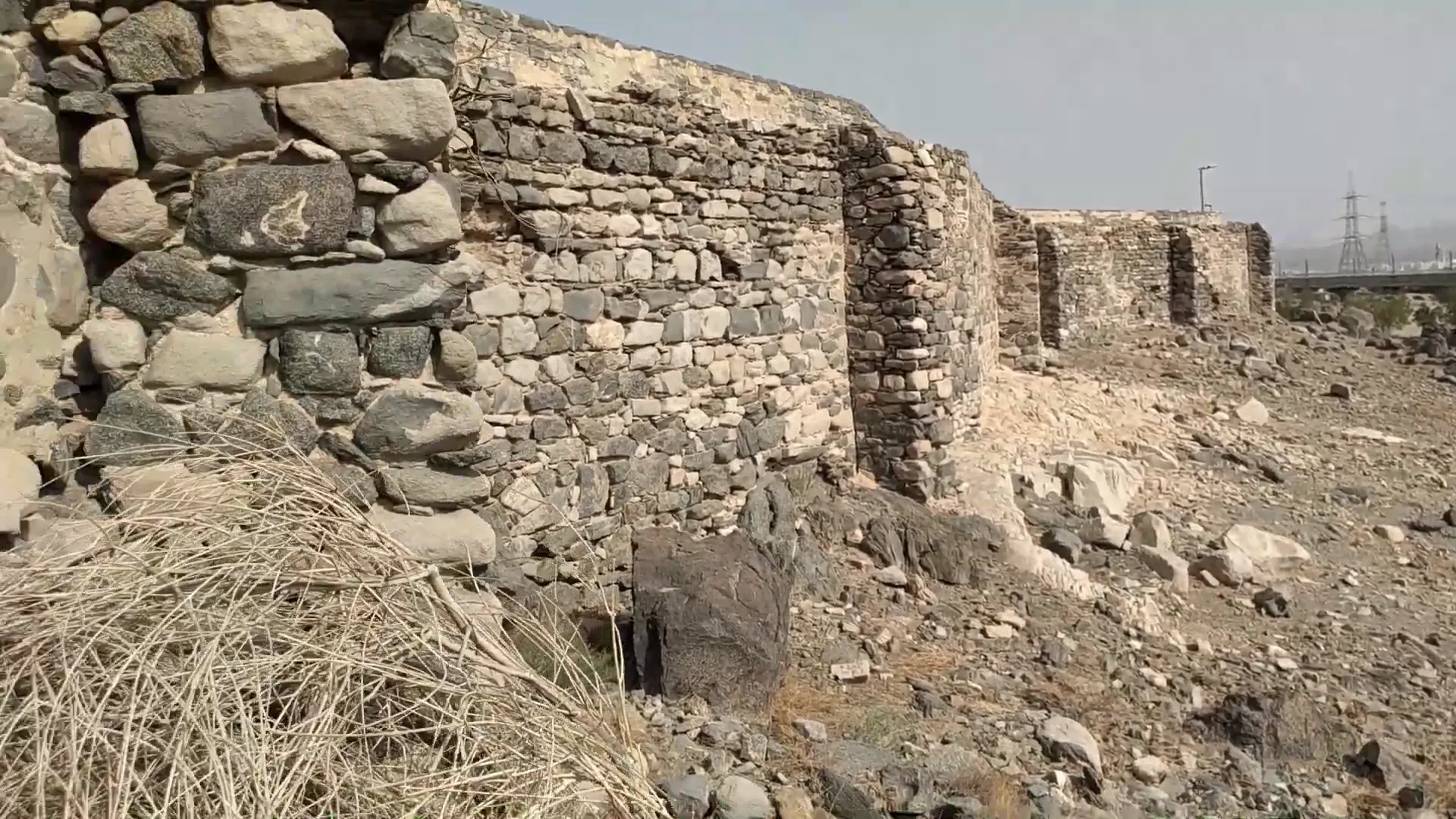
Canal of Zubaida: The Ancient Lifeline of Makkah Still Echoing Through Time
Canal of Zubaida it’s not just a forgotten name in history. You’ve probably never imagined water flowing beneath desert rocks, powering an entire pilgrim city.
But over 1,200 years ago, a woman changed the fate of Makkah by doing just that. Her name was Zubaidah bint Ja’far, and the system she built, now known as Ain Zubaida, still whispers stories of sacrifice, science, and salvation in the arid winds of the holy city.
✅ TL;DR – Canal of Zubaida: Makkah’s Forgotten Water Miracle That Saved Millions
Canal of Zubaida is a 1,200-year-old ancient water system built by Zubaidah bint Ja’far, wife of Caliph Harun al-Rashid, to bring life-saving water from Wadi Numan near Al-Taif to the dry plains of Makkah, Mina, Muzdalifah, and Arafat. Spanning over 35 kilometres, it used a powerful mix of qanats, aqueducts, and stone reservoirs to serve Hajj pilgrims during times of drought.
This wasn’t just infrastructure, it was compassion carved into stone. Long before modern plumbing, this early Islamic engineering project stood as a symbol of faith, vision, and service. Even today, its remains inspire awe, and efforts to preserve and restore Ain Zubaida continue under Saudi Arabia’s heritage vision.
What Is the Canal of Zubaida and Why Does It Matter Today?
Let’s be honest, water in Makkah is a miracle in itself. And back in 801 CE, it was nothing short of a crisis.
The Purpose Behind Its Construction
During her fifth Hajj, Zubaidah bint Ja’far witnessed pilgrims collapsing in the heat of Mina, struggling without water near Mount Arafat and Muzdalifah. A harsh drought had gripped the region, leaving both locals and travellers desperate.
But she wasn’t just a queen. She was a believer who couldn’t watch others suffer. That moment changed everything.
Who Was Zubaidah bint Ja’far?
A granddaughter of Caliph Abu Ja’far al-Mansur and the wife of Caliph Harun al-Rashid, Zubaidah was known not for her riches, but for her resolve. When advisors warned her the project would be too expensive, she said:
“I will carry it out, even if every stroke of a pickaxe costs a dinar.”
She poured her wealth into humanitarian work, and her greatest gift became the Canal of Zubaida, which brought water for Hajj pilgrims.
The Strategic Importance of Water for Hajj Pilgrims
Back then, Mina, Arafat, and Muzdalifah were barren plains. Without water, the Hajj became dangerous. The canal didn’t just hydrate people, it saved lives. And it created the first true infrastructure for pilgrims in Islamic history.
Building the Ain Zubaida Water System – Step-by-Step
Building water systems in the middle of mountains? Sounds impossible. But Zubaidah made it happen one rock at a time.
Step 1 – Sourcing Water from the Spring of Hunain
The engineers chose a natural spring in Wadi Numan, near Al-Taif. This valley, rich in underground water, was about 95 km from Makkah. Zubaidah purchased the entire Hunain Valley, ensuring access to the water without interference.
Zubaidah purchased the entire Hunain Valley, ensuring access to the water without interference.
The first well constructed in this monumental project was called Faraiz (Well No.1), and its remains are still identifiable by a marked plaque, symbolising the start of one of Islam’s greatest engineering feats.
Step 2 – Constructing the Underground Qanat Network
They couldn’t just dig ditches; the terrain was brutal. So they used qanat systems, an ingenious method of underground water transportation developed in Persia.
These qanats carried water gently downhill through rock-lined tunnels. Vertical shafts called inspection chambers were added to ventilate the system and allow for cleaning.
These qanats carried water gently downhill through rock-lined tunnels. Vertical shafts called inspection chambers were added to ventilate the system and allow for cleaning.
In fact, some of these wells reached depths of up to 34 meters, especially in the Valley of Numan. To facilitate maintenance, many were designed with stone steps built into the well walls, allowing workers to descend for cleaning or inspection.
Step 3 – Designing the Above-Ground Aqueduct
In valleys and uneven terrain, elevated aqueducts were built from stone. These structures were not just functional; they were architectural marvels. They bridged rocky paths and crossed the harshest lands without losing flow.
Step 4 – Setting Up Stations, Wells, and Distribution Points
Water didn’t just flow to Makkah; it stopped at all the holy sites. Stations were established in Arafat, Muzdalifah, Mina, and even near the Grand Mosque. Ponds, wells, and faucets were created so pilgrims could drink, wash, and refill containers.
Water didn’t just flow to Makkah; it stopped at all the holy sites. Stations were established in Arafat, Muzdalifah, Mina, and even near the Grand Mosque. Ponds, wells, and faucets were created so pilgrims could drink, wash, and refill containers.
In regions prone to flooding, especially near valleys and lowlands, wells were uniquely constructed in boat-like shapes, angled to deflect the force of floodwater. Other well designs varied by topography: round, square, or curved, each shaped with strategic intent.
- 🔹 To protect the water from desert heat and sandstorms, the entire length of the canal was covered with stone slabs or mud plaster. This shielding technique maintained water purity and minimised evaporation, centuries before modern piping.
Comparing the Canal of Zubaida with Other Ancient Systems
You might be wondering, was this system really that special? Let’s break it down.
Aqueduct vs. Qanat: What’s the Difference?
A qanat is a subterranean water tunnel, while an aqueduct is built above ground.
What makes Zubaida’s canal exceptional is that it blended both systems, adapting to the terrain. Where the land was rocky, the system went underground. Where it was flat or deep, it rose above ground.
Ain Zubaida vs. Roman Aqueducts
Unlike the Roman aqueducts, which primarily served urban trade, Ain Zubaida was built solely to serve religious pilgrims. The Roman systems prioritised cities; this one prioritised the spiritual journey of the Hajj.
Modern Restoration Efforts by King Abdul Aziz
In the early 20th century, King Abdul Aziz ordered a restoration. Sheikh Abdullah Al-Dahlawi oversaw the project, reviving several channels and repairing key parts. This wasn’t just a repair job; it was a national effort to revive Islamic heritage.
This wasn’t just a repair job; it was a national effort to revive Islamic heritage.
In certain areas, the ancient canal is now linked with modern infrastructure, creating visible meeting points where new construction connects with the original system. Pipework, tanker stations, and capped wells allow heritage and utility to coexist.
A preserved stone-built base station, located near Muzdalifah, served as the hub for operation and maintenance crews. It stands today as a silent tribute to centuries of hands that kept the water flowing.
The Legacy and Cultural Impact of Ain Zubaida
Darb-e-Zubaidah – The 1,400 KM Pilgrimage Route
The Zubaydah pilgrimage route, also called Darb-e-Zubaidah, stretched over 1,400 kilometres, connecting Kufa in Iraq to Makkah.
It had 27 major stations and 58 rest stops, spaced about 50 kilometres apart. Travellers could find fortifications, mosques, markets, cisterns, and even public baths.
This wasn’t just a trade route; it was a spiritual highway through the desert.
Architectural and Archaeological Significance
Modern archaeology has confirmed:
- Over 132 inspection chambers
- Remnants of reservoirs, faucets, and stone canals near Jabal al-Rahmah and Aziziyah
- Excavated mosques, castles, and fortified houses in places like Fayd and Al-Rabadha
- Networks of ponds, wells, and springs are carefully distributed for pilgrims and caravans
Why Ain Zubaida Is Still a Symbol of Islamic Innovation
It blended faith and engineering, charity and science, centuries before public infrastructure became common. Its resilience even today reminds us of a time when serving pilgrims was the noblest thing a ruler could do.
FAQs About the Canal of Zubaida, Ain Zubaida & Zubaidah bint Ja’far’s Legacy
📌 Frequently Asked Questions about Canal of Zubaida
What is the Canal of Zubaida, and when was it built?
The Canal of Zubaida was built in 801 CE by Zubaidah bint Ja’far to bring water to Makkah from Wadi Numan.
Where did Ain Zubaida get its water from?
It sourced water from the spring of Hunain, near Al-Taif, and transported it through a system of qanats and aqueducts.
Is the Zubaida Canal still functioning today?
No, it dried up by the 1980s. However, some parts were restored under King Abdul Aziz, and remnants still exist.
How long is the Ain Zubaida canal?
It runs about 35 kilometres, supplying water to Arafat, Muzdalifah, Mina, and Makkah.
Who was Zubaidah bint Ja’far?
She was the wife of Caliph Harun al-Rashid and a known philanthropist who funded large-scale public projects during the Abbasid Caliphate.
What techniques were used in building the canal?
It used qanats, above-ground aqueducts, cisterns, inspection chambers, and stone faucets.
Was the canal only for pilgrims?
Primarily, yes. It was intended to support Hajj pilgrims, but it also served locals and travellers year-round.
What’s the connection between Ain Zubaida and Darb-e-Zubaidah?
The canal supported the Zubaydah pilgrimage trail by supplying water at stations along the route to Makkah.
Can people visit the Canal of Zubaida today?
Yes, remains of the canal are visible near Mina, Aziziyah, and along Muzdalifah Road in Makkah.
Are there any current plans to restore the full canal?
Yes, ongoing efforts under Saudi Arabia’s cultural preservation initiatives include site evaluations and restoration proposals.
What is the Zubaidah bint Ja’far canal?
Also called Ain Zubaida, it’s a historic water system built in 801 CE by Zubaidah bint Ja’far to bring water to Makkah, Arafat, Mina, and Muzdalifah using advanced Islamic engineering.
Zubaidah’s Contributions – A Timeless List
- Commissioned the Ain Zubaida water system
- Built over 35 km of qanats and aqueducts
- Improved the Darb-e-Zubaidah trail for pilgrims
- Funded the project from her own wealth
- Established stations in Mina, Muzdalifah, Arafat, and the Grand Mosque
- Inspired Islamic architecture and civil planning
- Played a key role in Abbasid humanitarian engineering
Comparison Table – Ain Zubaida vs Other Ancient Systems
| Feature | Ain Zubaida | Roman Aqueducts | Persian Qanats |
|---|---|---|---|
| Location | Saudi Arabia | Europe, North Africa | Iran, Central Asia |
| Purpose | Water for Hajj pilgrims | Urban water supply | Farming, villages |
| Built by | Zubaidah bint Ja’far | Roman emperors | Persian engineers |
| Year | 801 CE | 312 BCE – 500 CE | 1000 BCE – 700 CE |
| Technique Used | Qanat + Aqueduct | Aqueducts | Qanats |
| Length | 35 km | Varies, some up to 60 km | 5–70 km |
| Legacy | Spiritual + engineering | Engineering only | Practical use |
Quick Facts About the Canal of Zubaida
- Construction Time: 20 years
- Total Workers: 12,000 labourers
- Daily Output: 600–800 cubic meters of water
- Total Cost: 1.7 million dinars (≈17 tons of gold)
- Total Length: 37 kilometres
- Operational Duration: Over 1,200 years
- Ceased Operation: 1950s
- Key Locations: Wadi Numan, Arafat, Muzdalifah, Mina, Masjid al-Haram
- Engineering Types: Qanat (underground) + Aqueduct (above-ground)
- Surviving Sites: Well No.1 (Faraiz), inspection shafts, stone stations, capped wells

Farrukh Farooqi has been living in Sharaya, Makkah, Saudi Arabia since 2010. With over 14 years of firsthand experience witnessing the sacred journey of millions of pilgrims, Farrukh specializes in providing practical, insider tips for Hajj and Umrah travelers. His work blends real-world observations, the latest Saudi updates, and essential crowd management strategies — helping pilgrims and worshippers plan smarter, stay safer, and experience a spiritually fulfilling journey across the Holy Cities.


