
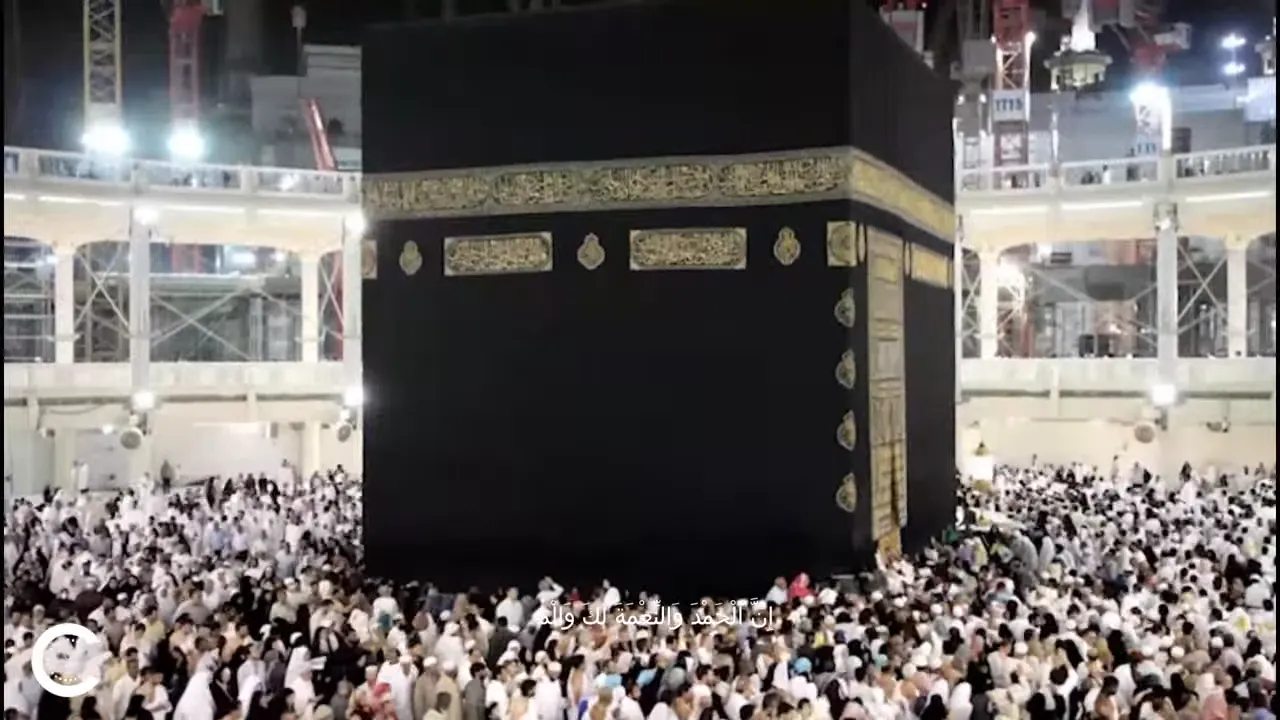
Tawaf al-Ziyarah in Hajj: Rules, Penalty, Timing & How to Perform It (2026 Guide)
🟨 TL;DR
Tawaf al-Ziyarah is the most crucial ritual that finalises your Hajj. It must be performed after the stoning at Mina and before intimacy is allowed. Skipping or delaying it without a valid excuse like illness or menstruation can invalidate your Hajj or require a damm (penalty).
This Tawaf must be done inside Masjid al-Haram, with 7 full circuits, starting at the Black Stone and ending back at the same point. Pilgrims must be in a state of Wudu, keep the Kaaba on the left, and avoid breaking their sequence. Scholars agree: without it, Ihram restrictions stay in effect, including a ban on physical relations.
If you’re too weak, use a wheelchair or assistance. This article walks you through every step, with real rulings, emotional context, and zero fluff.
🟨 What is Tawaf al-Ziyarah?
Tawaf al-Ziyarah, also called Tawaf al-Ifadah, is the mandatory circumambulation that must be completed during Hajj. It’s done on Dhul Hijjah 10, after pilgrims leave Muzdalifah, perform Rami al-Jamarat, offer their sacrifice, and trim or shave their hair.
This isn’t just another ritual. Let’s be honest, skipping it means your Hajj isn’t accepted.
Your ihram technically continues, and your physical relationship with your spouse remains forbidden. That’s not something you want to find out too late.
🟨 Why Is Tawaf al-Ziyarah So Important?
This is one of the three pillars of Hajj. Without it, everything else becomes spiritually incomplete.
The Prophet ﷺ Himself did it right after entering Makkah on the 10th of Dhul Hijjah.
Most scholars, including Hanafi, Shafi’i, Hanbali, and Maliki, agree that this is a fard (obligatory) act. It can’t be replaced or skipped. It’s called Ziyarah because you’re visiting the Kaaba, the House of Allah, after completing the trials of Arafat and Mina.
🟨 When Is Tawaf al-Ziyarah Performed?
The ideal time to perform it is on the 10th of Dhul Hijjah, after stoning the largest Jamarat and doing the Qurbani.
But if you’re delayed, you still have time until sunset on the 12th of Dhul Hijjah. After that, a penalty becomes wajib.
If you’re menstruating, the scholars say you should delay it until you become pure, even if that’s after the Hajj days. If it’s delayed beyond the 12th without a valid reason, a dam becomes necessary.
🟨 Step-by-Step: How to Perform Tawaf al-Ziyarah
Performing it right ensures your Hajj is valid. Here’s how to do it:
- Ensure you’re in Wudu (ablution)
- Dress modestly, covering private parts completely
- Enter Masjid al-Haram with intention
- Begin at the Black Stone, face it, raise your hands, and say Bismillah, Allahu Akbar
- Circumambulate 7 full circuits, keeping the Kaaba on your left
- Avoid cutting across the Kaaba or passing through Hijr Ismail
- After finishing, offer 2 rak’ah behind Maqam Ibrahim
- Make du’a and reflect, this is your moment of closeness to Allah
🟨 Penalty for Missing or Delaying Tawaf al-Ziyarah
Let’s say you skip it entirely without a valid reason. That’s a disaster.
Your Hajj is incomplete, and if you engage in intimacy after Hajj, you’re committing a sin; each instance demands a damm (sacrificial penalty).
If you delay it until after the 12th without a valid excuse, you still need to perform it later, but you must also offer a sacrifice as compensation.
For those with illness, age issues, or extreme fatigue, scholars recommend:
- Using a wheelchair
- Performing the Tawaf with someone’s help
- Delaying with the intention to complete later
Scholar Opinions on Its Ruling
| School of Thought | Is Tawaf al-Ziyarah Obligatory? | Can it be Delayed? | Penalty for Delay |
|---|---|---|---|
| Hanafi | Yes, it’s fard | Yes, with excuse | Damm if no excuse |
| Shafi’i | Yes, pillar of Hajj | Yes | Makruh, but valid |
| Hanbali | Yes | Yes | Permissible with cause |
| Maliki | Yes, essential | Yes | Must do before leaving Makkah |
🟨 What If You’re Sick or Disabled?
You’re not alone. Many elderly or sick pilgrims face this. Islam makes room:
- Hire a wheelchair porter
- Use an electric scooter
- If you’re completely unable, scholars allow a proxy (wakil) to perform on your behalf, but only if you’re truly incapable
Still, if you can do it with help, you must do it yourself.
🟨 Differences Between Tawaf al-Ziyarah and Other Types
There are several kinds of Tawaf, and each has a unique rule:
- Tawaf al-Qudum: Sunnah, done on arrival in Makkah
- Tawaf al-Umrah: Part of the Umrah rituals is mandatory
- Tawaf al-Wada: Farewell tawaf before leaving Makkah is wajib
- Tawaf al-Nafl: Optional anytime during your stay
- Tawaf al-Nazar: Vowed tawaf becomes obligatory
Tawaf al-Ziyarah stands apart, it’s non-negotiable.
🟨 Real Moment: A Pilgrim’s Story
“You never forget that feeling,” said Bilal, a 64-year-old from Indonesia. “I was in pain. My knees were killing me.
But I told myself, this is Tawaf al-Ziyarah. This is what finishes my Hajj. I pushed through each round. When I finished the 7th, I cried so hard I could barely breathe. I knew Allah accepted me.”
🟨 Conditions You Must Fulfil for Tawaf to Count
Don’t let small mistakes ruin your Hajj. These are non-negotiable conditions:
- You must be in Wudu
- You must start at the Black Stone
- You must do 7 full circuits
- Keep the Kaaba on your left throughout
- Don’t walk through Hijr Ismail
- Don’t turn your back or walk the wrong way
- Maintaining sequence breaks can invalidate it
🟨 Only 1 List You Requested:
❗ Common Mistakes Pilgrims Make During Tawaf al-Ziyarah
- Starting from the wrong place (not directly at Black Stone)
- Skipping a circuit or miscounting
- Talking excessively or using phones
- Touching the Kaaba walls or stepping into Hijr
- Performing it without Wudu
- Ignoring crowd flow and cutting across
🟨 Tawaf al-Ziyarah FAQs: Rulings, Mistakes, Penalties & Real Scenarios
What is Tawaf al-Ziyarah in Hajj?
It’s the mandatory circumambulation around the Kaaba done after stoning at Mina and before leaving Makkah.
It completes your Hajj and lifts the remaining Ihram restrictions.
Can I do Tawaf al-Ziyarah on 12 Dhul Hijjah?
Yes, but it’s preferred to do it on the 10th.
Delaying beyond the 12th without excuse makes a damm (penalty) obligatory according to scholars.
What if I miss Tawaf al-Ziyarah completely?
Missing it without performing it later renders your Hajj incomplete. Your Ihram stays valid, and intimacy remains forbidden. A damm alone isn’t enough, the Tawaf must be done.
Is Tawaf al-Ziyarah same as Tawaf al-Ifadah?
Yes, they’re two names for the same obligatory ritual. Both refer to the post-Mina Tawaf that seals your pilgrimage duties.
Can women delay Tawaf al-Ziyarah due to their periods?
Yes, women can delay it until they are pure, even after the 12th.
There’s no penalty if the delay is due to menstruation or valid medical reasons.
How long does Tawaf al-Ziyarah take?
It depends on the crowd size. Normally, it takes between 45 minutes to 1.5 hours, especially during peak Dhul Hijjah days.
Can I perform Tawaf al-Ziyarah in a wheelchair?
Yes. If you’re ill, elderly, or exhausted, Islam allows performing this Tawaf in a wheelchair or with someone’s support, as long as you’re physically present.
Is there dua for each round of Tawaf?
There’s no mandatory dua per round. You can recite any Quranic verse, personal dua, or dhikr that brings you peace and focus during the Tawaf.
What if I faint or stop mid-Tawaf?
If you’re forced to pause, you may resume from the same round once you’re stable.
No need to start over unless a full break invalidated the sequence.
Do I need to do Sa’i after Tawaf al-Ziyarah?
If you have already performed Sa’i after Tawaf Qudum or as part of Umrah, no need to repeat.
If not, you must perform Sa’i after this Tawaf to complete your Hajj.
When to do Tawaf e Ziyarah?
The best time to perform Tawaf e Ziyarah is on the 10th of Dhul Hijjah, after stoning the Jamrah al-Aqaba and offering the Qurbani. However, it can be done until sunset on the 12th. If delayed without excuse, a penalty (damm) becomes necessary.
What is Tawaf al-Qudum?
Tawaf al-Qudum is the arrival Tawaf, performed by pilgrims when they first enter Makkah.
It’s a Sunnah, not obligatory, and serves as a greeting to Masjid al-Haram.
Pilgrims performing Hajj Qiran or Ifrad may do this Tawaf upon arrival.
What are the 7 types of Tawaf?
The seven types of Tawaf include:
- Tawaf al-Ziyarah (Ifadah)
- Tawaf al-Qudum (Arrival)
- Tawaf al-Wada (Farewell)
- Tawaf al-Umrah
- Tawaf al-Nafl (Voluntary)
- Tawaf al-Nazar (Vow)
- Tawaf al-Tahiyyah (Greeting the mosque)
Each has a distinct purpose, ruling, and time frame depending on the type of pilgrimage or intention.
Tawaf e Ziyarat in Umrah
In Umrah, the equivalent of Tawaf e Ziyarat is simply called Tawaf. It is one of the pillars of Umrah.
After performing this Tawaf, pilgrims do Sa’i between Safa and Marwah, then shave or trim their hair to complete the Umrah.
Is Tawaf e Ziyarah Farz?
Yes, according to all four major schools of thought, Tawaf e Ziyarah is Farz.
If a pilgrim doesn’t perform it, their Hajj remains incomplete, and the Ihram restrictions continue. No sacrifice can replace it; the act must be completed.
🟨 Final Thoughts: What This Tawaf Teaches You
Tawaf al-Ziyarah isn’t just a rule to check off. It’s the turning point, the moment you come full circle in your journey to Allah. You walked Arafat, you stoned the Jamarat, you offered your Qurbani, and now, this is your moment of arrival.
If you feel emotional while doing it, good. That means your heart’s exactly where it should be.
Don’t treat it as just a ritual. Let it move you. Let it cleanse you.

Farrukh Farooqi has been living in Sharaya, Makkah, Saudi Arabia since 2010. With over 14 years of firsthand experience witnessing the sacred journey of millions of pilgrims, Farrukh specializes in providing practical, insider tips for Hajj and Umrah travelers. His work blends real-world observations, the latest Saudi updates, and essential crowd management strategies — helping pilgrims and worshippers plan smarter, stay safer, and experience a spiritually fulfilling journey across the Holy Cities.


